
📢 On London
Making sense of my relationship with the city and what I left behind

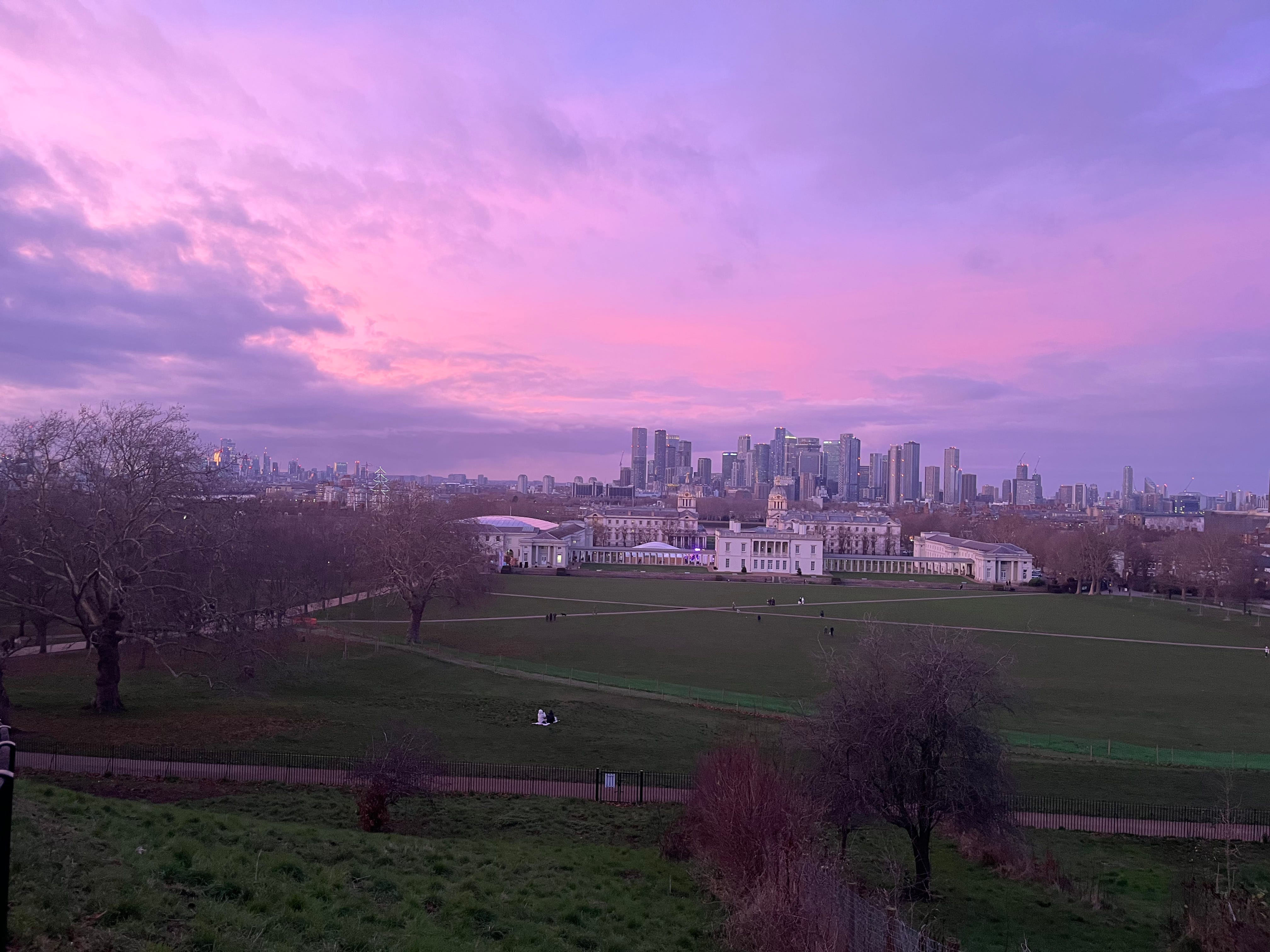
It was Dr. V who first pointed out that I hadn’t processed the move.
“Change, no matter how good, always comes with a loss,” she told me on our Google Meet call in that typical tone of hers that blends empathy with reprimand.
It had been a few weeks since Sakshi and I had shifted to Bristol. As with everything in our relationship, it had all happened quickly yet naturally.
She had packed up her life in the States in September to join me in the UK. “It’s crazy that we get to see each other every day now,” I’d tell her at the start, still coming to terms with the fact that she was no longer an entity on my phone, but a real life human being.
The move also meant Sakshi was back in the job market, a famously not-fun place to be. After a few rejections and narrowly missing out on a therapist position based in the outskirts of London, she asked if she should start applying for jobs elsewhere in the country.
“Yeah do it and we’ll figure,” I said.
That same day she received her rejection from the Surrey practice, she applied for one in a Trust in Devon. I have a vivid image of her sitting at my desk in my east London flat, furiously working through the application and her disappointment.
When she got an interview, we again broached the issue of logistics. My job was based in London, I had let my landlord know I was moving out and we were deep in our hunt for one-bedroom flats in Kentish Town. But again, the job market is not a fun place to be.
“Do the interview and we’ll figure,” was the modus operandi we settled on.
Five ‘we’ll figures’ later, Sakshi got the role and we had signed a lease for a place in Bristol harbourside. It was midpoint for both our jobs and meant that we could continue to live in a city.
I had never been to Bristol before; it was just a name I saw on the Championship table. The only person I knew in Bristol was Sakshi.
The blur of Man with a Van, endless cardboard, Trainline bookings, Wayfair orders, 5:00 am alarms, Google Maps searches for ‘cafes near me’, council tax registrations and gym membership signups helped me avoid coming to terms with my new reality; I no longer lived in London.
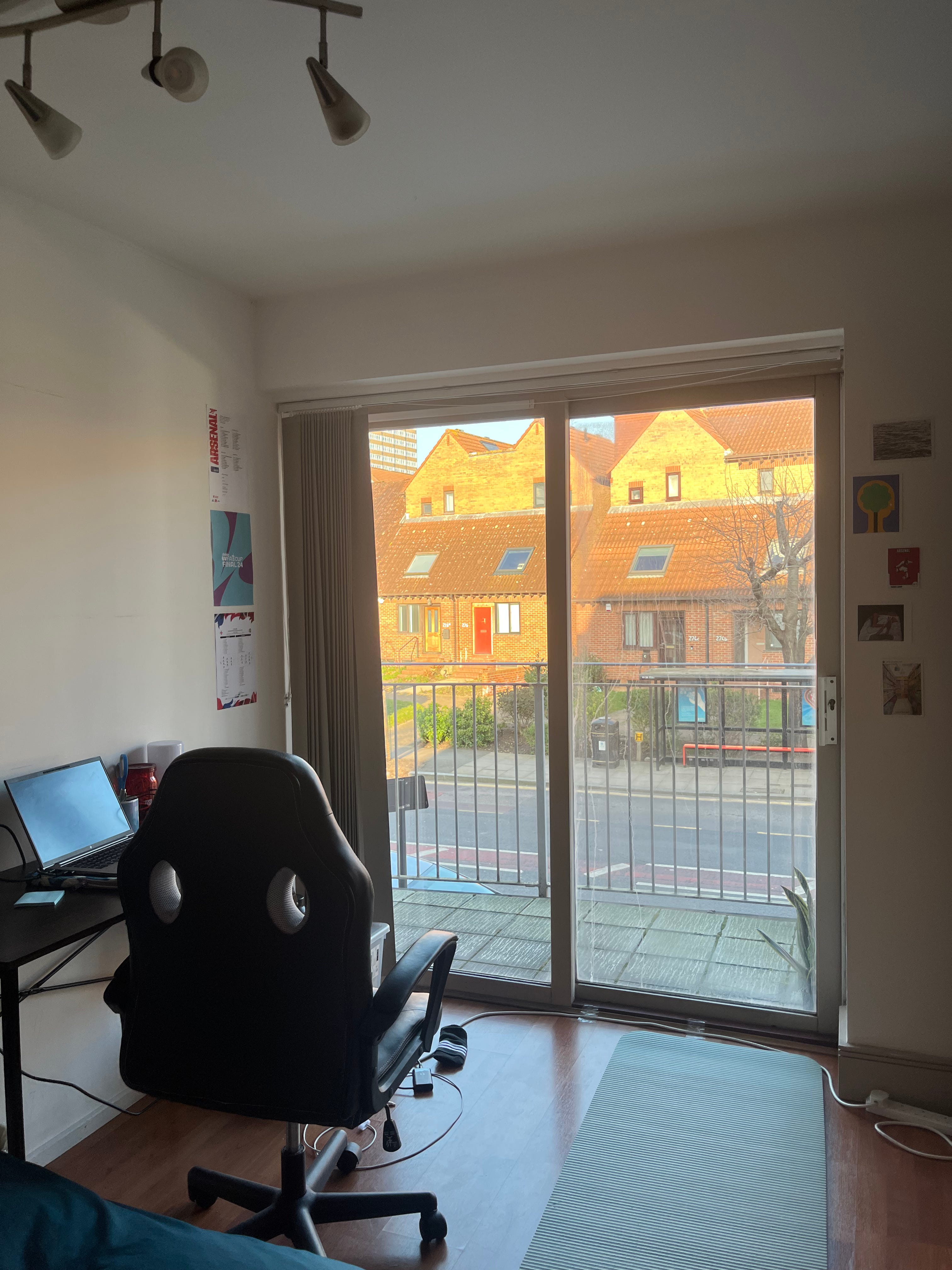
I was navigating the transition but not the change. My Instagram bio still showed I was in London. When people asked where I lived, I’d say ‘Actually, I live in Bristol,’ with a head tilt and gentle nod.
The signs of suppression really came to a head when I noticed (or rather, had it pointed out) that I had begun treating our flat like an Airbnb. I had been the one to enforce cleaning standards in the Isle of Dogs flat I had shared with two flatmates, but now I was the one leaving behind dishes in the sink and ignoring that the trash had to be taken out.
I took this alarm at my changing behaviours to Dr. V, who helped me understand that it was all London’s fault. She pushed me to sit with the feeling I had let something go and soon enough, the kitchen was sparkling again.
It was my friend Atharva that inadvertently helped me understand what exactly I was missing. A group of us were huddled around a street bench late one night - some sitting on it, some squatting on the curb and some standing. It was the type of configuration in which conversations flow best.
We were talking about cities and Atharva asked me what I liked about living in a big one. I waffled about access and said something generic about there always being something to do. My answer was the equivalent of the neon sign in Piccadilly Circus cafes that say ‘If you’re bored of London, you’re bored of life’.
The question stuck with me though and after mulling it over, this is what I wished I had actually said: What I enjoyed about living in London was the very act of it. I liked being a component of London. That feeling of being a part of one of the great cities in the world. London is a beast and I came to enjoy the act of taming it. Of trying to carve out my place and routine in it. I liked how the city contextualised my life.
Of course, there were enough times I felt oppressed by London. By the £4 flat whites, because of its brusqueness, due to its size, owing to its inept estate agents and my Spareroom travails. My flatmate in my Shepherd’s Bush place was so OCD that she demarcated separate zones in the dishwasher for us to use. Six months into a year-long lease, I moved out.
It’s funny, I’m a guy who is prone to nostalgia but I just can’t get myself to romanticise any of this. I still remember going through a phase of actively hating London and it took me some time to adjust to its inherent loneliness. It was only when I accepted this fact did I begin enjoying the city.
You feel you’re always playing catch-up in London. I don’t know if you know, but there’s always something to do. It’s easy to be worn down by that feeling but if you stop chasing, the city will engulf you.
At the core of it, this is what stings about the move. I had learnt how to live in London and had put in the hard yards - the developing grit bit, making friends, the long commute to work, the cramped apartment. Just as I got ready to begin a new chapter, the book changed.
I’m not mourning my London life that was. I’m mourning the life that could have been. At the same, I’m also excited by the life that is in Bristol.
It’s mix of emotions I will use Dr. V to help unspool.
Consumption Corner:
Reading: I finally persevered through Nilanjan Mukhopadhyay’s book - The Demolition, The Verdict and The Temple - on the Ram Mandir project. It’s a deeply researched book that tells the story of how the demolition of the Babri Masjid shaped Indian history. The details presented are fascinating but overall, I found it a bit too dense. If you’re coming in with no knowledge on the subject, this book isn’t for you.
Listening: Design Matters is one of my favourite podcasts. Its host Debbie Millman interviews some of the leading creatives in the world to understand how they design their lives. I found her recent episode with acclaimed New York Times journalist Jodi Kantor, who is best known for breaking the Harvey Weinstein story, hugely inspiring.
Watching: In recent weeks, I’ve been making my way through the Relationshit catalogue on YouTube. The premise of the show is that people send in their questions for relationship advice to a panel of comedians, who try to provide solutions in front of a live audience. A lot of meals in the past couple of weeks have been cooked with this show playing in the background.